Why Precision Tennis
No drop-off counter, no rotating casual staff, no racquet sitting in a bin for a week. One person, one machine, and a record of every job that leaves the bench.
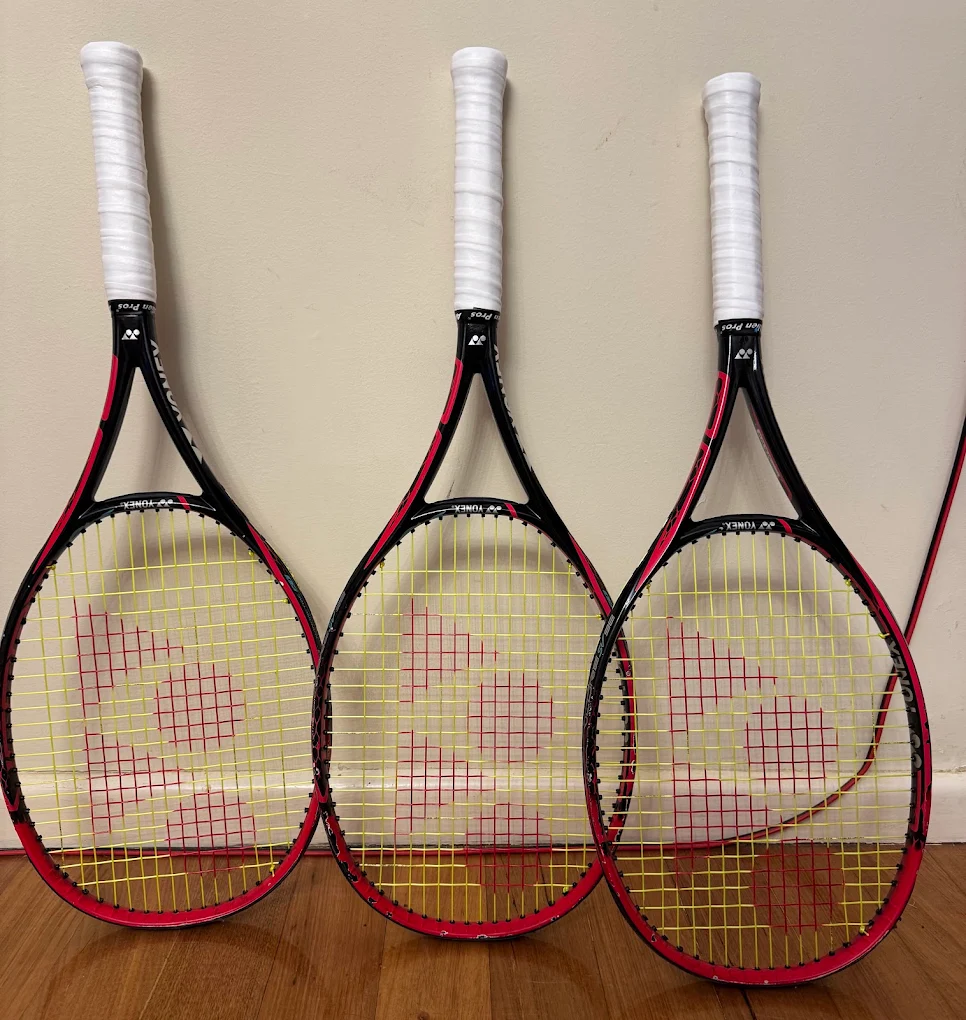
I started restringing because I got tired of the alternative. You hand your racquet over somewhere, you get it back days later, and it plays differently to the last time — same string, same tension written on the ticket, different racquet in your hand. Nobody could ever tell me why.
The reason, it turns out, is almost never the string. It's the machine, and it's whoever is standing at it. Tension is not a number you set once and forget; it's something that has to be held while the string does its best to escape. Get that wrong and no amount of expensive polyester will save the job.
A restring should feel like the last one. That's the entire promise, and almost nobody keeps it.
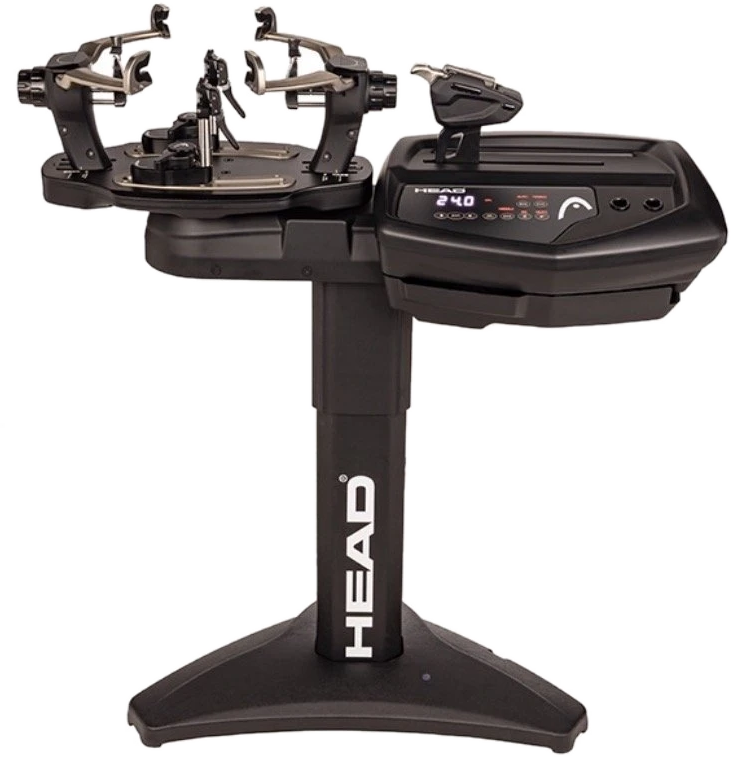
So Precision Tennis Restring is built around consistency rather than volume. I string on a HEAD EX-TE 3600 — a constant-pull electronic machine that keeps pulling until the string stops creeping, instead of yanking to a number and releasing. Six-point mounting so the frame isn't squeezed out of shape. A linear gripper so the string isn't crushed on the way in.
And every job goes in the book: string, tension, gauge, date, against your name. When you come back and tell me it felt a fraction long, we don't guess. We drop half a kilo from a number we both know is real.
The Machine
It would have been cheaper to buy a drop-weight machine and charge the same prices. Most customers would never have known the difference — which is exactly the problem.
A drop-weight or manual crank pulls to tension and then stops. Polyester keeps stretching after that moment, so the string relaxes and the machine doesn't chase it. String a racquet top to bottom that way and the last cross can sit a kilo under the first.
Constant pull removes that variable completely. It's an unglamorous thing to spend money on, and it's the only reason I can promise your next restring will feel like your last one.
What That Means For You
01
Your full history, kept
I keep a database of every restring I've done for you — date, string and tension, going back to your first job. When you say "a bit more control," we adjust from a number, not from memory.
02
The last cross matches the first
Constant pull holds the target while the string creeps, so the bottom of the bed isn't looser than the top. You feel it most on off-centre hits.
03
One pair of hands
I string every racquet myself. No rotating casual staff, no "whoever was on that day" — which is exactly why the results don't wander.
04
Labelled on the throat
Every racquet goes home with a label showing the date, string type, gauge and tension. You never have to remember what was in it, and neither does your coach.
Service Area
Plenty of customers are local — Wheelers Hill, Glen Waverley, Mulgrave, Rowville, Vermont South. Plenty aren't. If you're coming from further out, book a time so the racquet is on the machine when you arrive rather than behind five others.